Professional Experience
Instrument Engineer
Jan 2024 – Present
CSIRO
Australia’s National Science Agency
Design Engineer
May 2023 – Jan 2024
Axivity Ltd.
Technical Assistant
Apr 2023 – Sept 2023
Monash University
Materials Science and Engineering Dept.
Research Assistant
Nov 2020 – Apr 2023
Monash University
Human-Centred Computing (HCC) Dept.
Design Engineer
Dec 2021 – Feb 2022
Monash University
Human-Centred Computing (HCC) Dept.
Education
2017 – 2022
Bachelor of Electrical and Computer Systems Engineering (Honours)
Monash University, Australia
Areas of Specialisation
Engineering design
Automation
Embedded systems
Rapid prototyping
Product development
Human factors engineering
Skills
Systems integration
Control systems (PLC, HMI, SCADA)
Analytical methods
Electronics and PCB design
CAD and mechanical design
Microcontrollers
Sensors and data acquisition
Test and measurement
Motion control systems
Optical systems
Signal processing
Machine learning
Information theory
Regulatory compliance (ISO, IEC)
Languages
English (Native)
Mandarin (Proficient)
Bahasa Malay (Proficient)
Cantonese (Elementary)
CSIRO (MINEX CRC)
SEP 2025 – PRESENT
MinEx CRC Real-time Downhole LIBS Assay Tool
Contributed to the development of a real-time downhole LIBS assay tool for MinEx CRC, an Australian Government–run Cooperative Research Centre and the world’s largest mineral exploration collaboration between CSIRO, the University of Adelaide, and industry partners. The system delivers in-situ elemental analysis directly within drill holes, eliminating reliance on cuttings return and enabling immediate, objective data for while-you-drill decision making.
Sensors · Fibre optics · Ruggedisation · Systems integration · Automation
Designed and built an evaluation tool featuring high-definition video transmission over fibre optics to inspect drill holes prior to deployment of the primary instrument. Developed embedded control and data acquisition systems using STM32 microcontrollers, and investigated rangefinding approaches (including ToF sensing) for integration into the downhole platform. Provided engineering input on winch system design and drive electronics, and implemented remote control systems for instrument operation.
CSIRO (BHP)
AUG 2025 – PRESENT
Mineralogical and Elemental Analyser (MEA) Beta Commercialisation
Contributed to the development and commercialisation of the Mineralogical and Elemental Analyser (MEA), a real-time process measurement system combining XRF and XRD to deliver simultaneous elemental and mineralogical analysis directly from slurry streams in mineral processing operations. The first deployment is destined for BHP’s Olympic Dam.
PLC · HMI · Automation · Systems integration · Fault handling · Self-diagnostics
Developed the control system architecture across PLC and HMI layers, interfacing with a scientific runtime for data acquisition and processing. Implemented automation logic and self-testing routines to enable reliable, safe, and low-intervention operation, including fault detection, instrument- and plant-level alarm handling, and system recovery.
CSIRO
JAN 2024 – PRESENT
Design Study of the Multimodal Fusion of LIBS and XRF
Contributed to the design and development of a next-generation multimodal LIBS–XRF mapping system, integrating laser-induced breakdown spectroscopy (LIBS) with Maia Mapper XRF for advanced geoscience applications.
Optomechanics · Electronics · Systems engineering · Safety systems · Automation
Designed and built core system components from first principles, including electronics, optical mounts, sample holders, calibration tools, Q-switch control buffers, and a ruggedised spectrometer package for field deployment. Contributed to early-stage instrument enclosure design.
Managed two development optics laboratories, including the design and commissioning of a bespoke safety system tailored to laser operation, workflow, and regulatory requirements. Safety system covers interlock-driven control of subsystems (extraction, cooling) and environmental data logging as part of the measurement and calibration process.
CSIRO
JAN 2024 – PRESENT
Maia Mapper
Supported the development and operation of the Maia Mapper, our high-throughput X-ray fluorescence (XRF) imaging system enabling rapid, large-area elemental mapping for advanced minerals research.
Instrumentation · Electronics and mechanical design · Systems engineering · Maintenance · Safety compliance
Managed both development and assembly laboratories, and worked closely with physicists to improve system capability and reliability through electronic and mechanical design. Maintained and supported a bespoke technology stack, including its custom 384-array detector and FPGA-based real-time processing pipeline, through self-directed learning, user experiment supervision, and knowledge transfer from retiring team members.
Minimised downtime through routine and preventative maintenance and maintaining a suite of ready spares across the instrument and its subsystems. Acted as primary liaison subsystem support engineers, and upheld safety protocols (including radiation surveys and SOPs) in full compliance with ARPANSA regulations.
AXIVITY LTD.
MAY 2023 – JAN 2024
Axivity AX3 Universal Wearable System
Developed wearable solutions for clinical and research-grade activity monitoring devices used in global health studies.
Human Factors Engineering · Wearable device design · Rapid prototyping · Design for manufacture (DFM) · Additive manufacturing
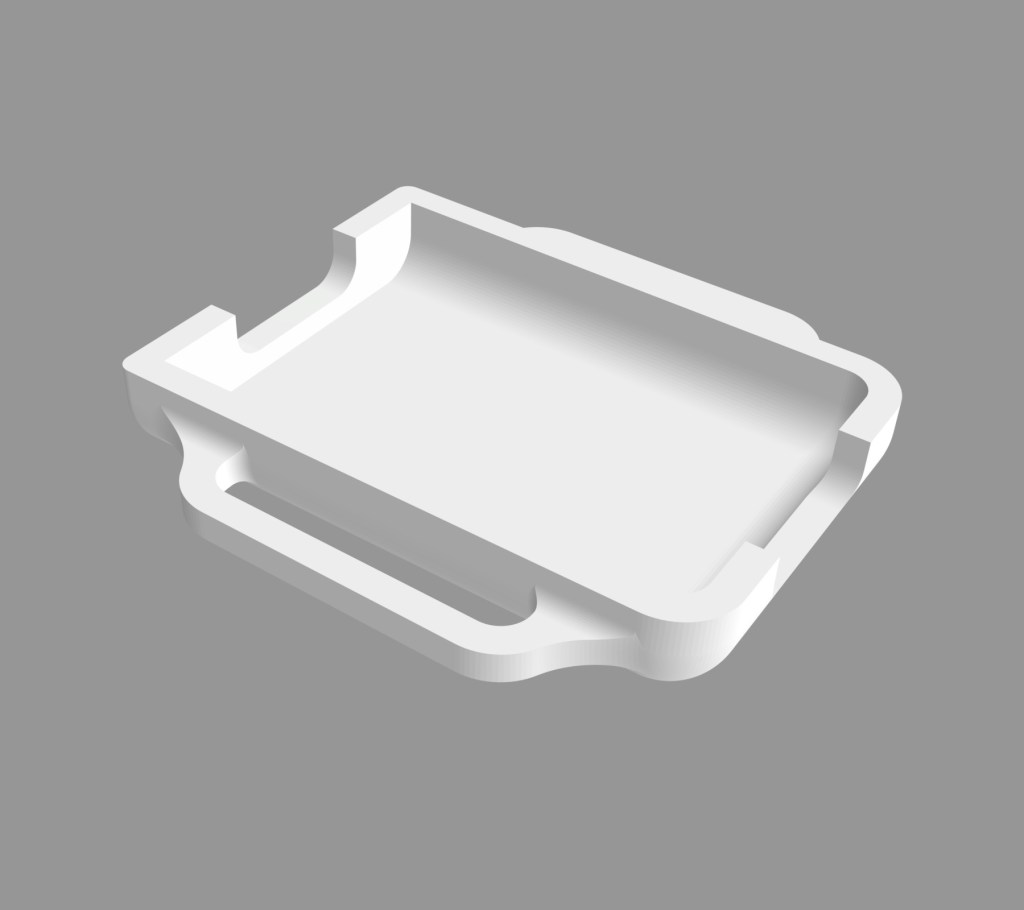
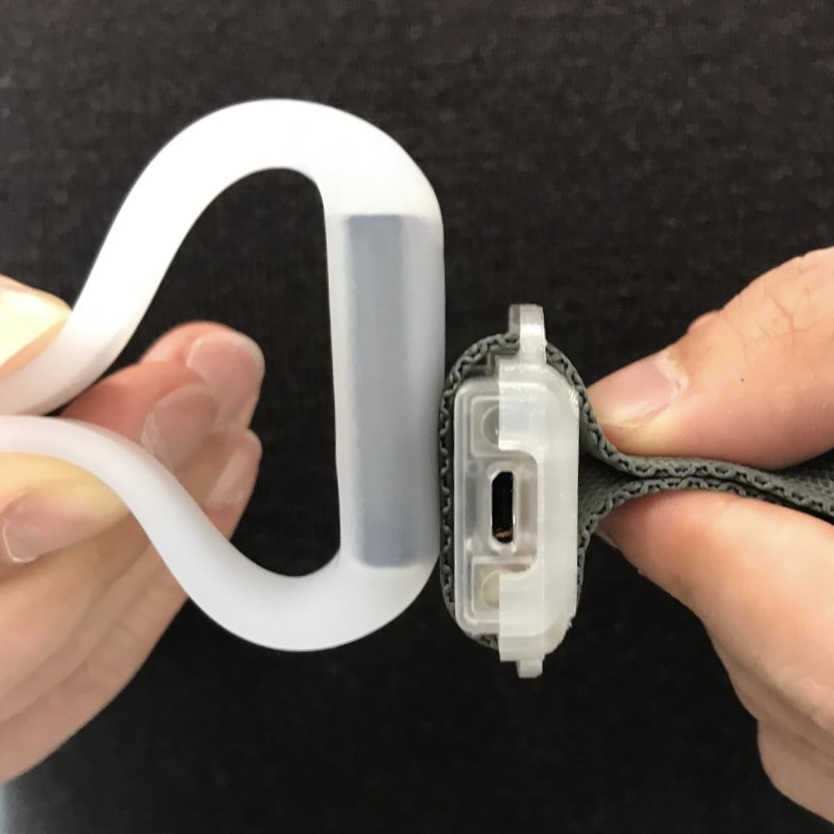
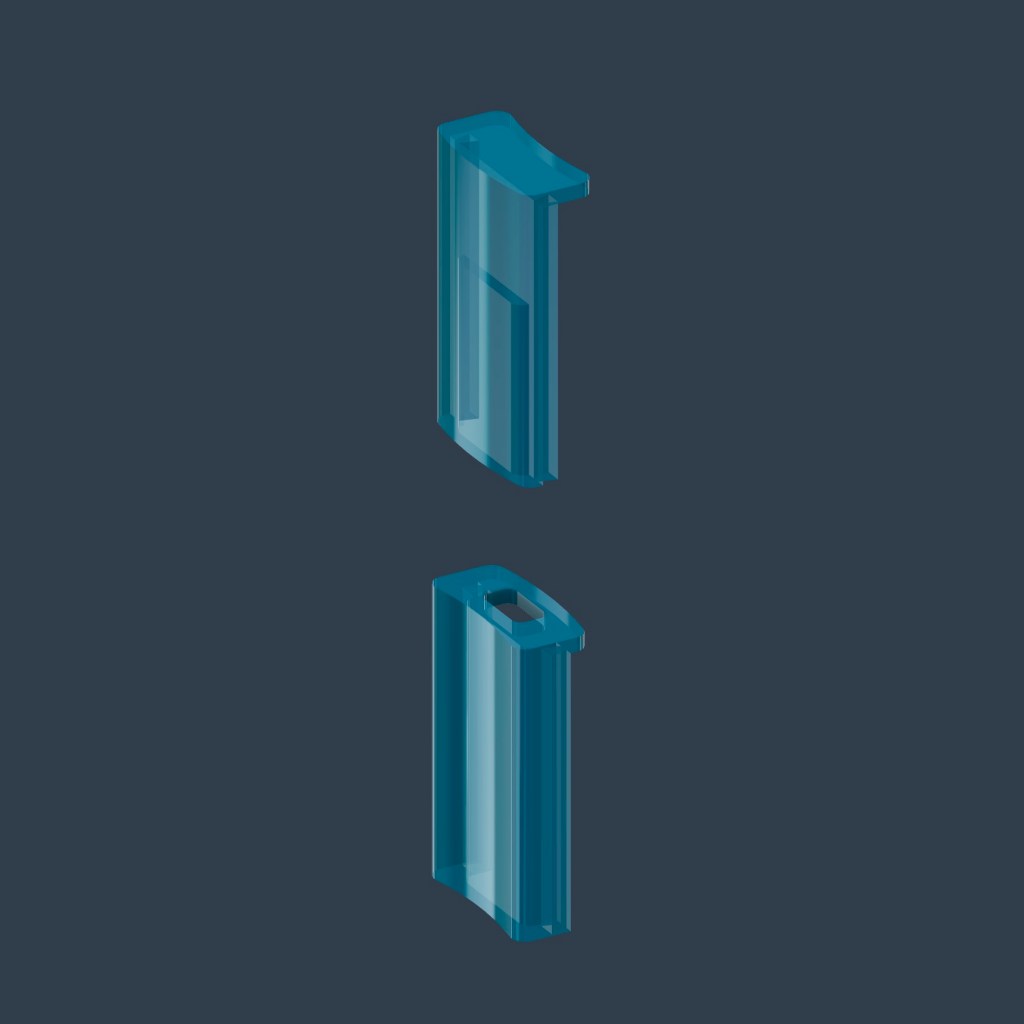
Designed a universally wearable system for the AX3 accelerometer with a ~50% footprint reduction, enabling deployment across diverse study populations including animals and infants, supported by global user research and iterative prototyping.
Over 5000 units were produced in collaboration with production partners, with design optimised for scalable injection moulding.
MONASH UNIVERSITY – MATERIALS SCIENCE AND ENGINEERING DEPT.
APR 2023 – AUG 2023
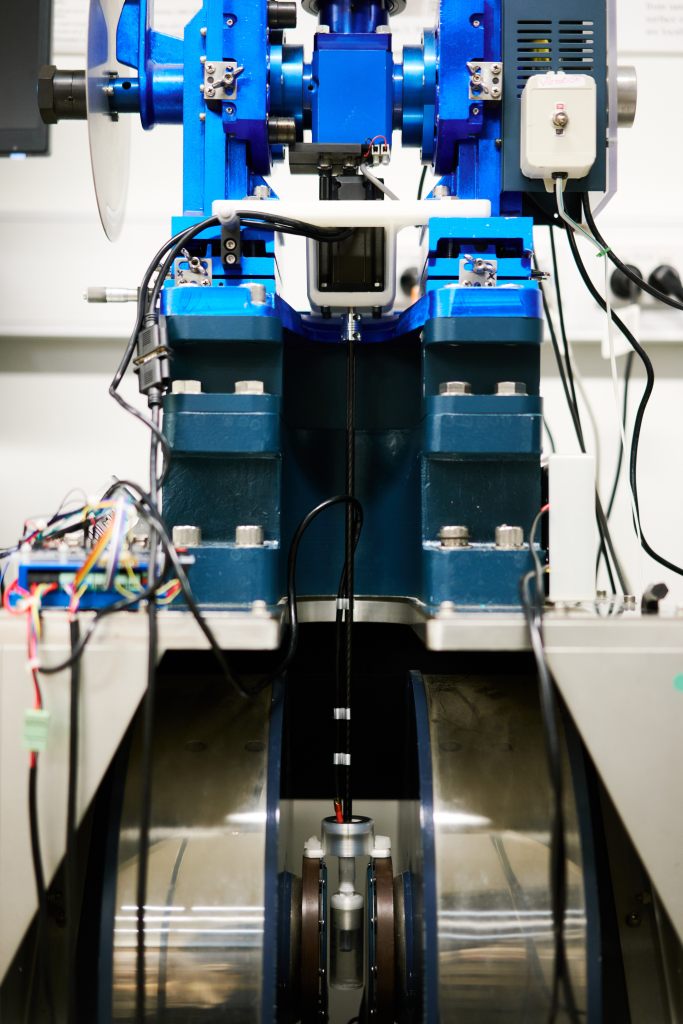
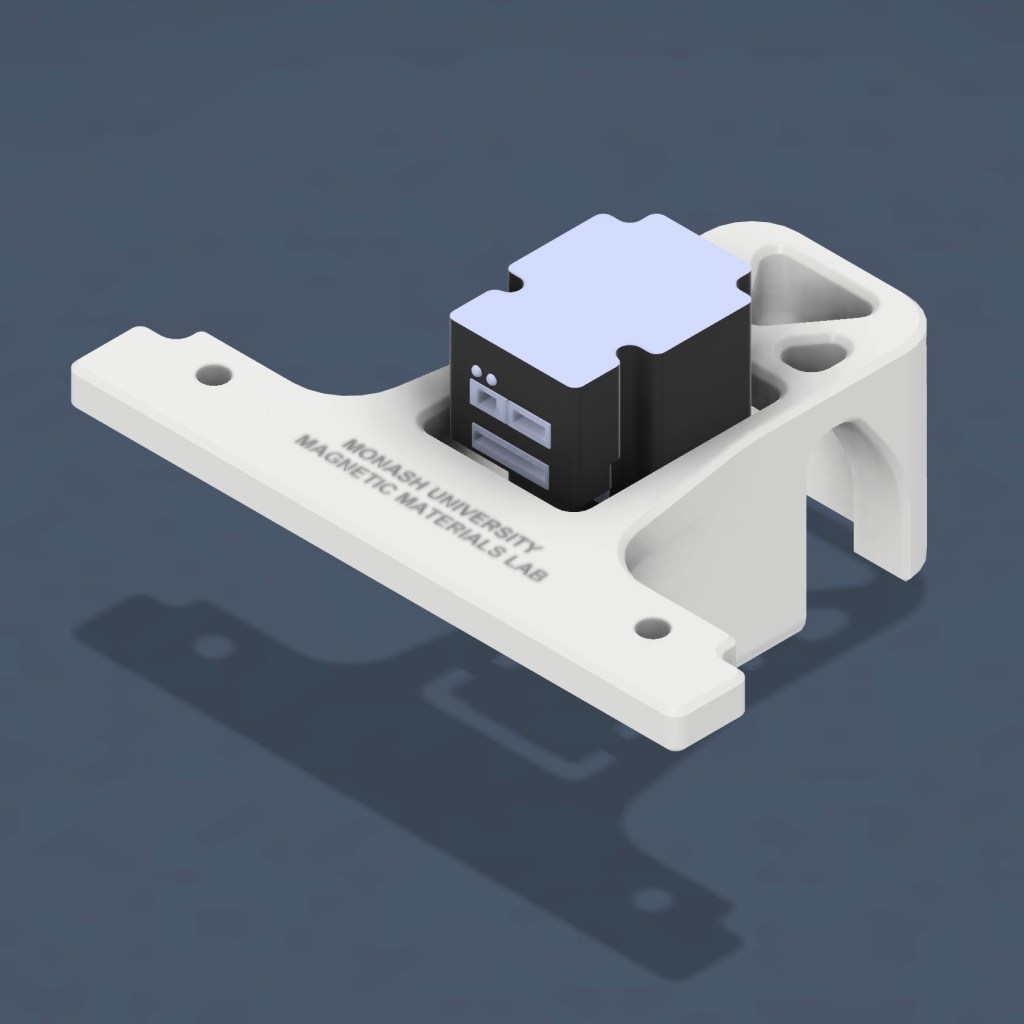
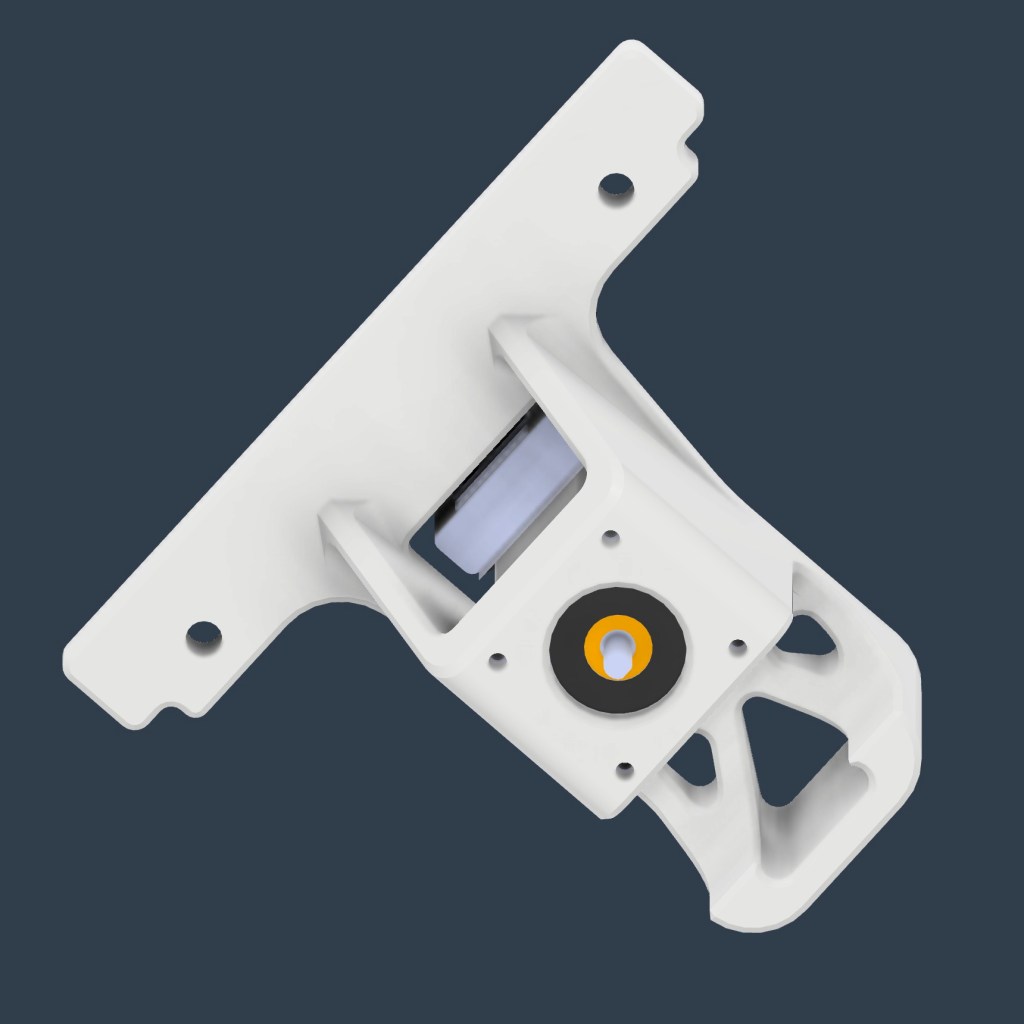
Automated Magnetostriction Measurement System by Rotation
Designed and built an automated magnetostriction measurement system for characterising strain in magnetic materials under varying field orientations.
Instrumentation design · Embedded systems · Control systems · Automation · Magnetic materials
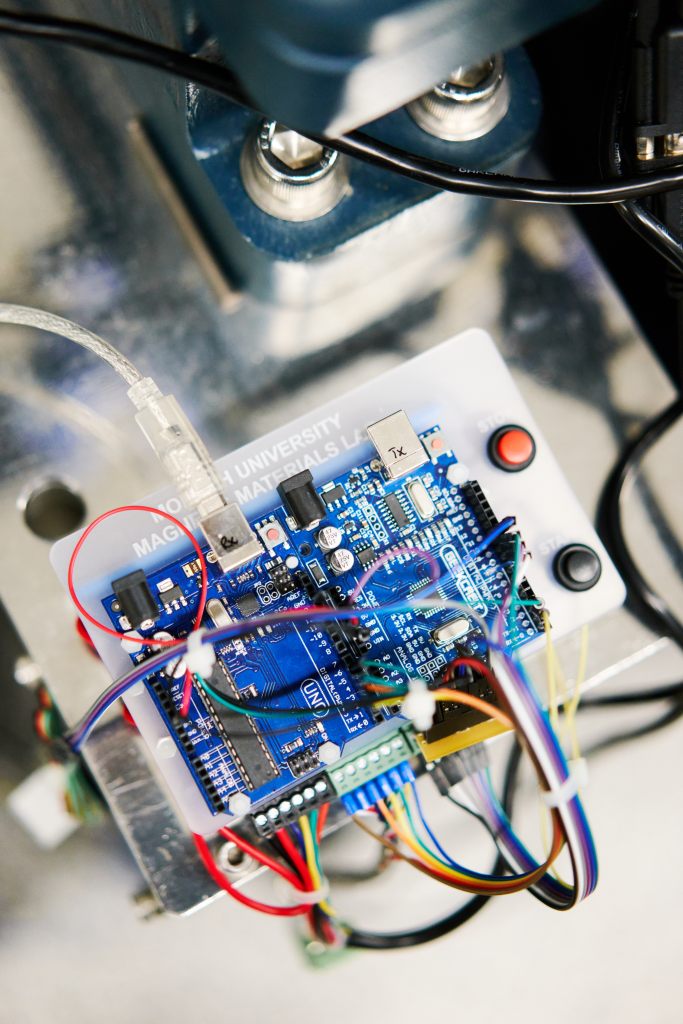
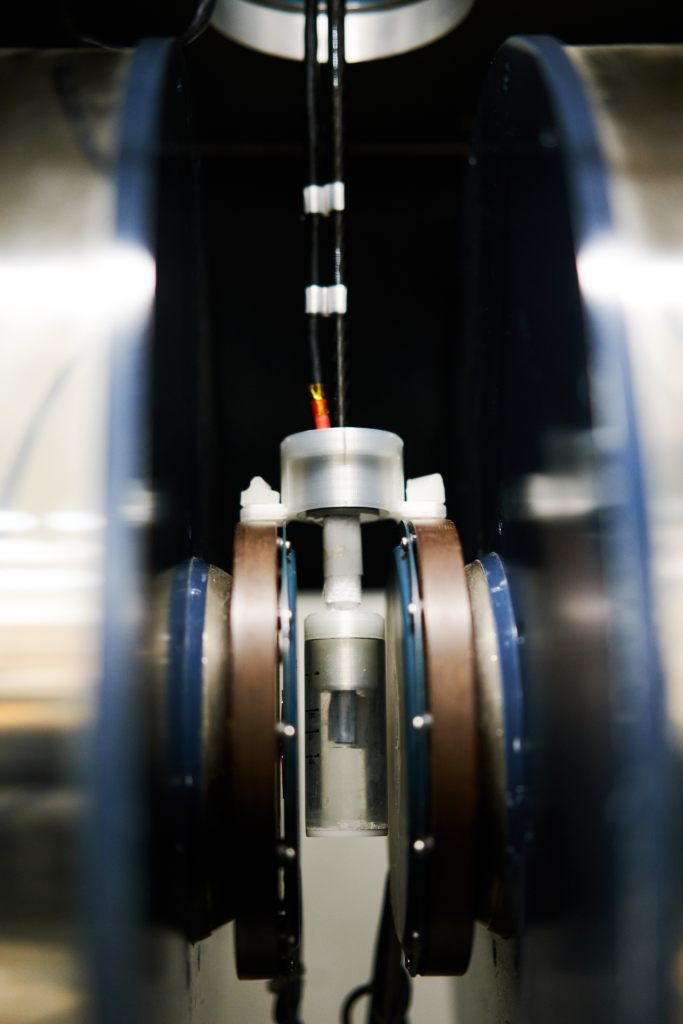
Developed a non-destructive add-on for a commercial vibrating sample magnetometer (VSM), integrating a closed-loop stepper-driven rotation stage with a telescoping carbon fibre sample holder to isolate magnetic interference. Engineered a dual-microcontroller control unit with interrupt-driven communication and finite state machine architecture, enabling synchronised triggering with external measurement equipment.
Implemented and tuned closed-loop PID control for precise angular positioning, with real-time data acquisition and serial output to PC for logging and analysis. Delivered a fully documented system including operation procedures, data processing methodology, and version-controlled hardware and firmware with spare parts for maintainability.
MONASH UNIVERSITY – MATERIALS SCIENCE AND ENGINEERING DEPT.
MAY 2023 – JUN 2023
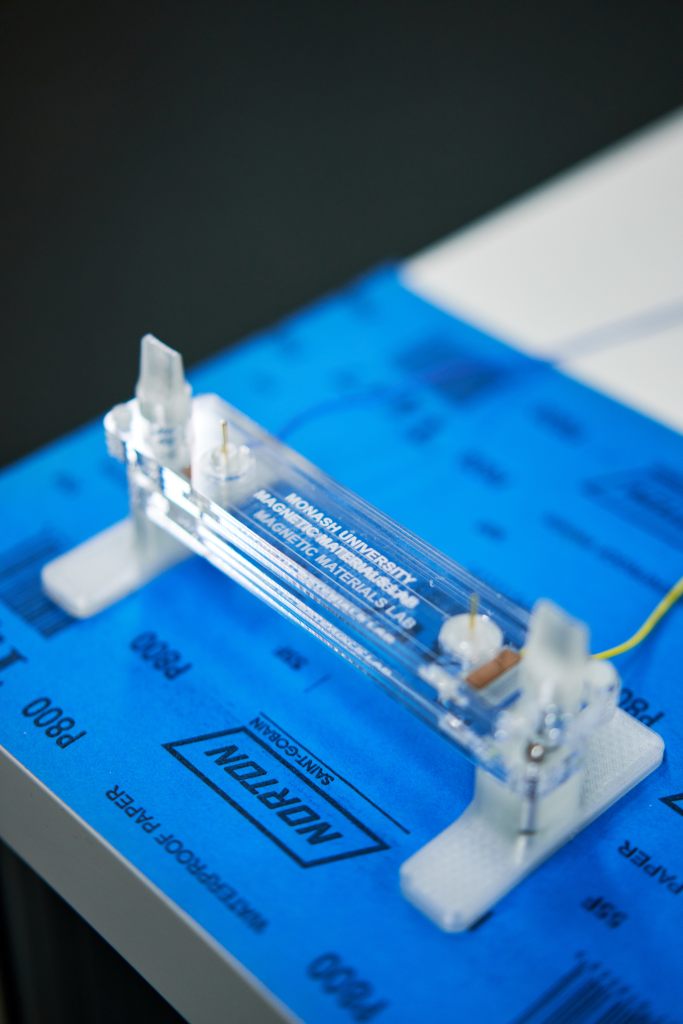
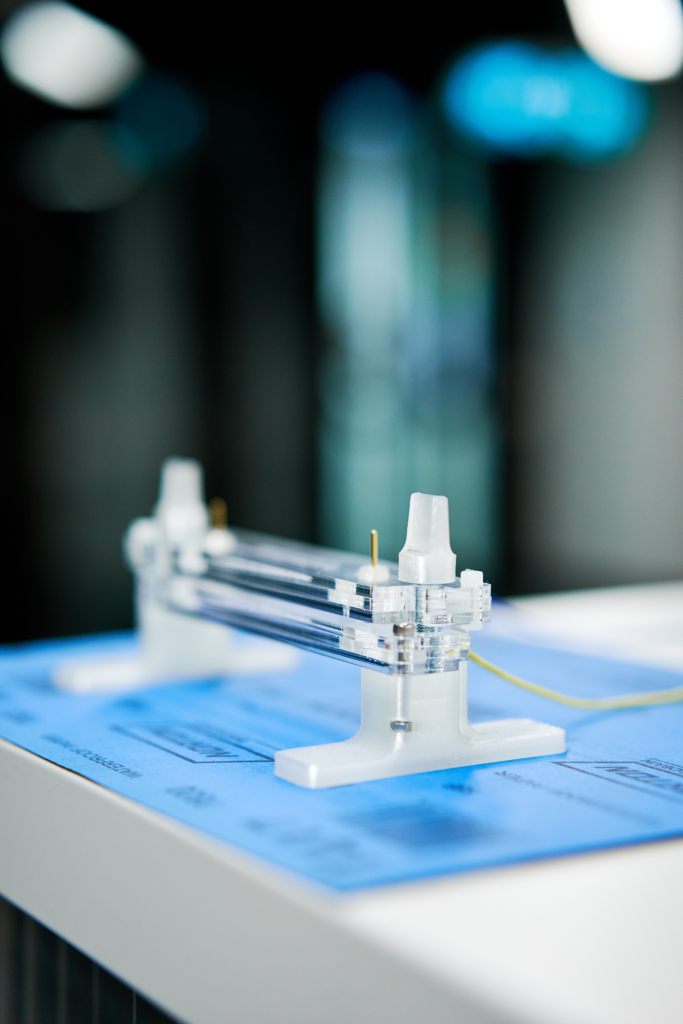
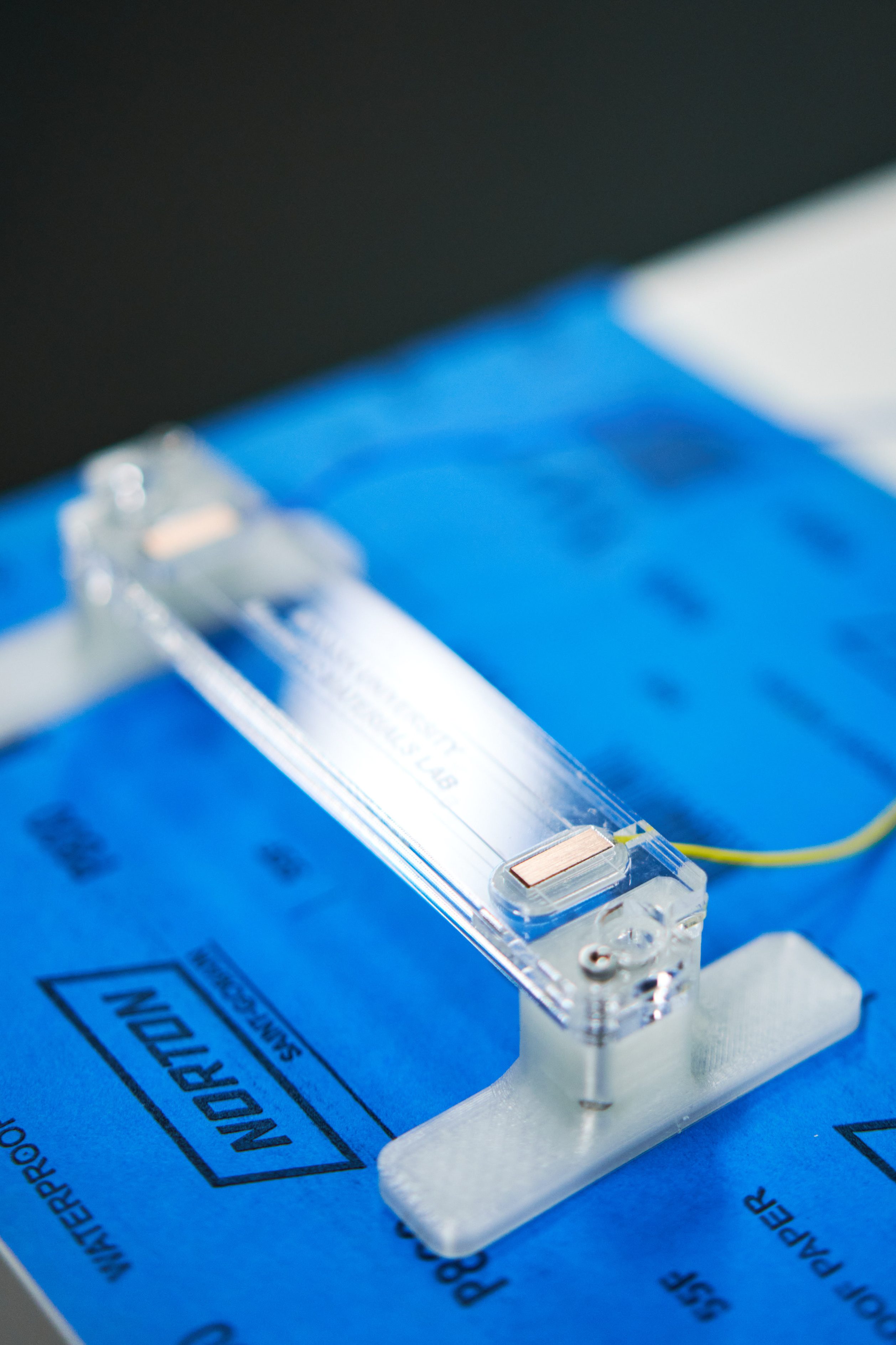
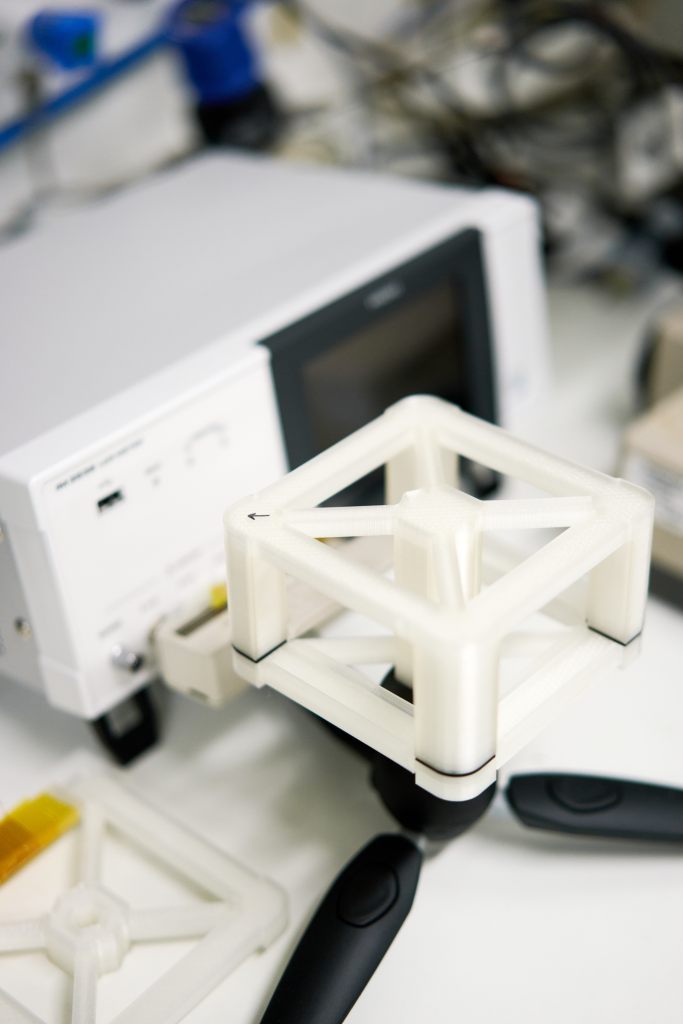
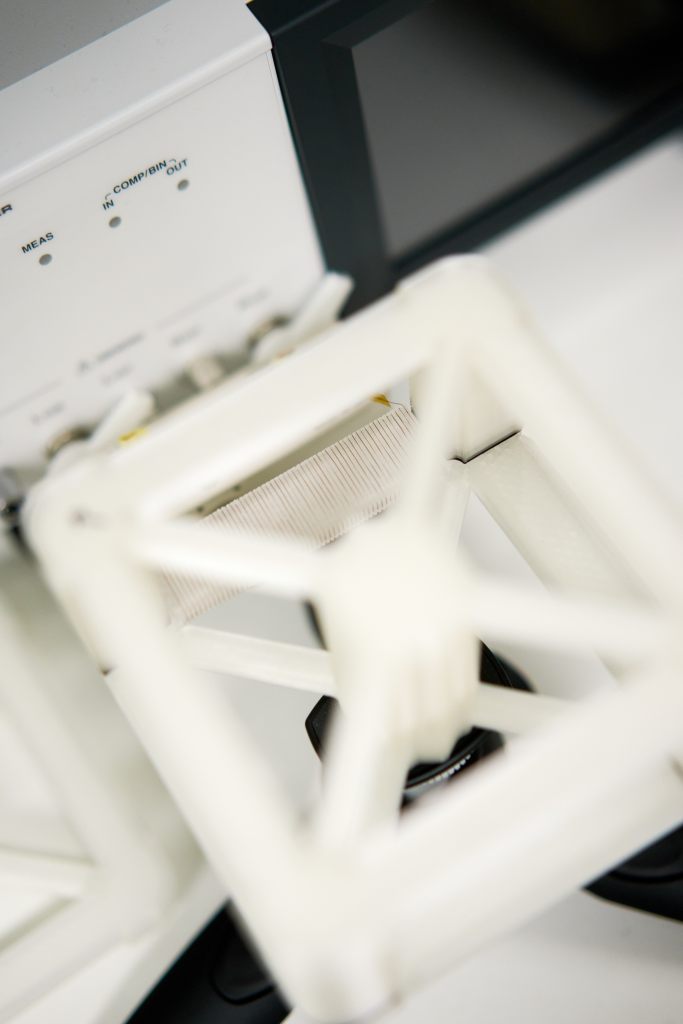
Precision Resistance Measurement Instrument for Fragile Magnetic Ribbons
Designed a precision fixture for resistance measurement of costly and fragile annealed ribbon samples, enabling safe and repeatable testing with an LCR meter.
Instrumentation design · Mechanical design · Experimental design
Developed a transparent layered acrylic system to aid alignment and minimise handling risk, with laser-cut and etched guides for repeatable sample placement. Integrated compliant contact mechanisms using spring-loaded needle probes and custom copper electrodes to ensure consistent electrical measurement without damaging samples. Fabricated assemblies using laser cutting, FDM, and precision-fit hardware, optimised for usability and repeatability in laboratory conditions.
MONASH UNIVERSITY – MATERIALS SCIENCE AND ENGINEERING DEPT.
MAY 2023 – JUN 2023
Modular Epstein Frame for Ribbon-Based Magnetic Characterisation
Designed and built a custom Epstein frame optimised for measuring magnetic properties of ribbon-based soft magnetic materials.
Instrumentation design · Mechanical design · Design for assembly (DFA) · Precision fabrication · Magnetic materials
Developed a modular architecture with precision assemblies fabricated using a combination of FDM and SLA, enabling rapid reconfiguration of key parameters without full system redesign, which improved experimental flexibility and manufacturing yield. Engineered low-surface-defect mirror-polished interfaces to minimise damage to fragile ribbon samples, and compliant contact mechanisms to ensure consistent magnetic coupling. Integrated mechanical alignment features to compensate for Earth’s magnetic field during measurement.

MONASH UNIVERSITY – HUMAN-CENTRED COMPUTING (HCC) DEPT.
JAN 2023 – PRESENT
GazeAway:
Wearable Gaze Aversion System to Support Remembering
Contributed to the development of a wearable gaze-aversion device using eye tracking and actuation to reduce cognitive load during recall tasks.
Rapid prototyping · Electronics · Microcontrollers
Assisted in the design and fabrication of early hardware prototypes, supporting development of the eye-tracking and servo-actuated display system.
MONASH UNIVERSITY – HUMAN-CENTRED COMPUTING (HCC) DEPT.
SEP 2022 – JAN 2023
SoundScoop:
Evaluating Gustosonic Experiences with Interactive Food Systems
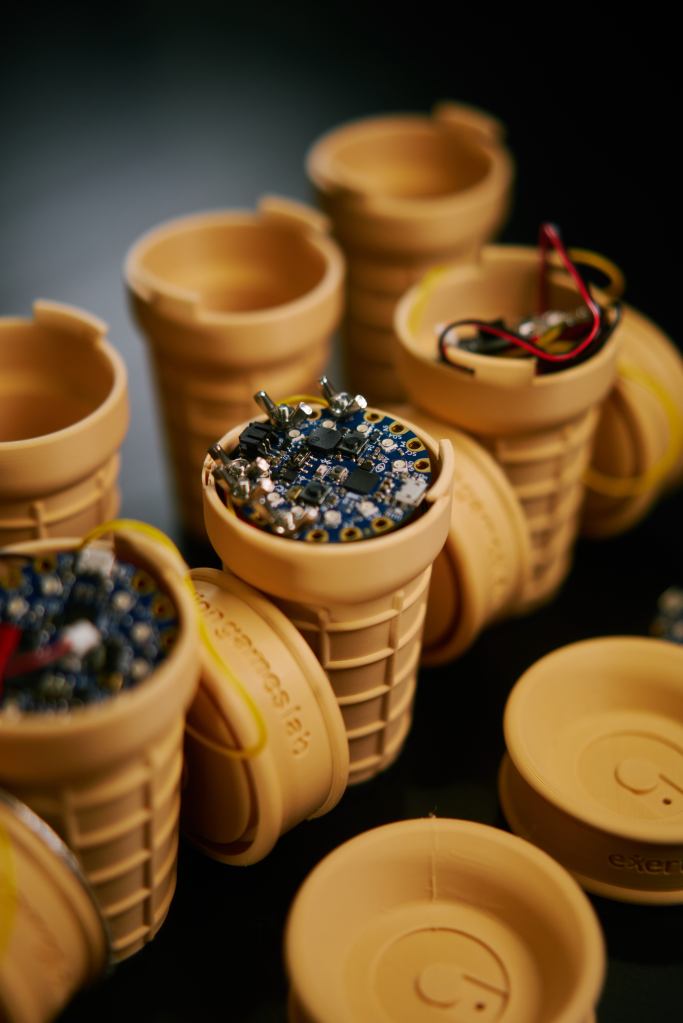
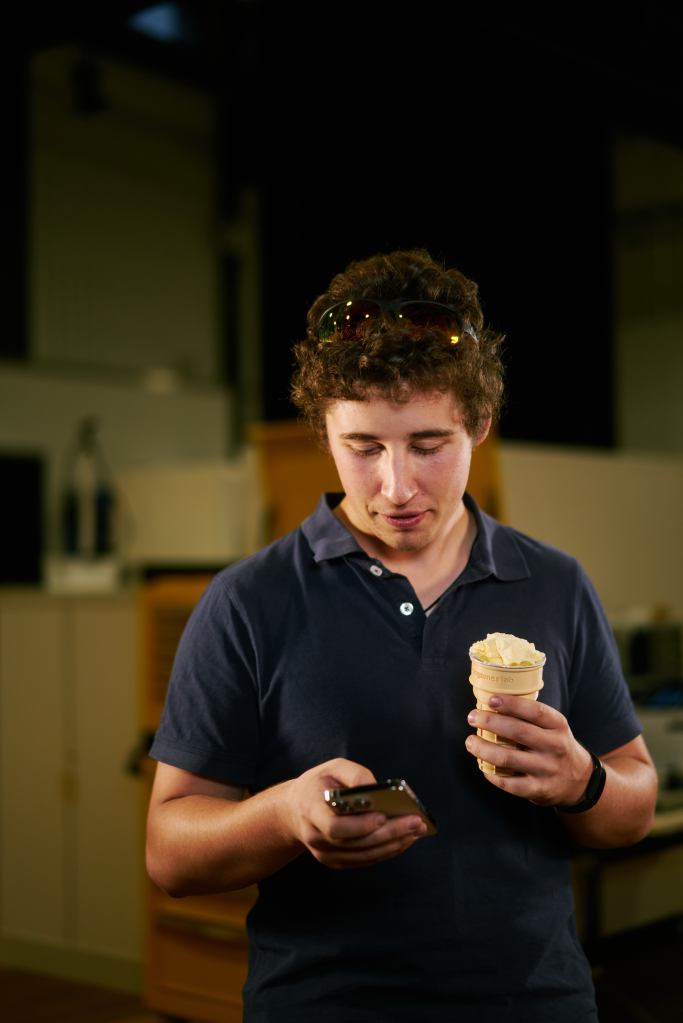
Developed an interactive food system using capacitive sensing to detect user interaction and deliver real-time auditory feedback.
Microcontrollers · Electronics · Signal processing · Food-safe design · Sensors · Audio systems · Manufacturing
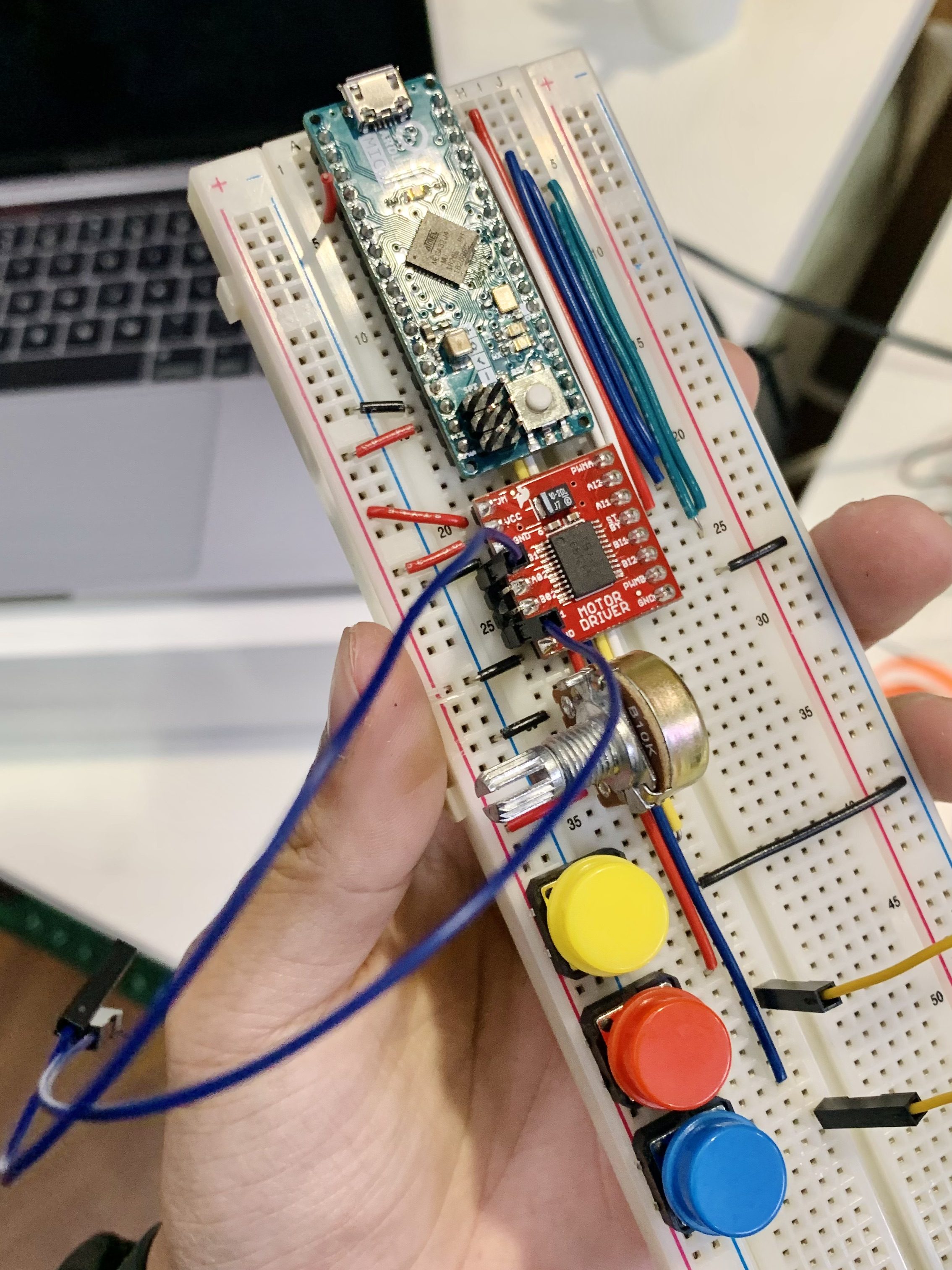
Designed and engineered a modular capacitive sensing system to detect contact across varying food types and environments. Delivered a compact, food-safe, and water-resistant enclosure optimised for repeated public use, in the form of an ice cream cone as a demonstrator. Led end-to-end development from prototyping to production, manufacturing 20 functional units.
Work presented to F&B industry leaders and exhibited at Monash University Open Day. First-authored paper submitted to CHI 2023 LBW. Full paper published in CHI 2025.

PERSONAL PROJECT
SEP 2022 – DEC 2022
Focus-Synchronised Anamorphic Capture System
Developed an electronic focus synchronisation and rangefinding system for dual-focus anamorphic lens setups, improving usability and control in cinematography workflows beyond the studio.
Control systems · Optical systems · Sensors · CAD · Actuation · Optomechanics
Designed and implemented a system combining custom lens helicoids and gearing, servo actuation, and encoder feedback to synchronise dual optical focus mechanisms. Integrated rangefinding sensors (ToF, ultrasonic) assist focus pulling and enable basic centre-target autofocus functionality.
Investigated mechanical coupling approaches, but deemed them impractical due to lack of flexibility across lens configurations and poor usability in real-world on-set conditions.
MONASH UNIVERSITY – HUMAN-CENTRED COMPUTING (HCC) DEPT.
JUN 2022 – AUG 2022
Fluito:
VR-Integrated Floatation Tank Haptic System
Developed a VR-integrated haptic feedback system for floatation tanks, combining sensory deprivation with interactive gameplay.
Microcontrollers · Wireless communication · Electronics · Rapid prototyping · Human factors engineering
Designed and implemented a low-latency wireless control system to actuate distributed feedback pumps in sync with VR gameplay and environmental sensors. Developed analogue driver circuits and engineered waterproofed systems to meet safety requirements for electronics in wet environments.
Work published at CHI PLAY 2022 WIP, CHI 2023 Interactivity, DIS 2023, and CHI PLAY 2023 (long paper).
MONASH UNIVERSITY – UNDERGRADUATE HONOURS THESIS
JUL 2021 – JUL 2022
Digital Data Storage on Synthetic DNA with Machine Learning
Deoxyribunucleic acid (DNA) is a molecule that contains all genetic information required to build and maintain an organism. DNA has a very high information densiDeveloped a neural network for decoding synthetic DNA data, improving accuracy in noisy and stochastic sequencing environments.
Machine learning · Data analysis · Experimental design · MATLAB · Signal processing
Implemented basecaller models to generate training and testing datasets, and designed an optimised neural network for efficient decoding. Evaluated performance against existing methods, achieving improved accuracy over prior research implementations.
MONASH UNIVERSITY – HUMAN-CENTRED COMPUTING (HCC) DEPT.
NOV 2021- FEB 2022
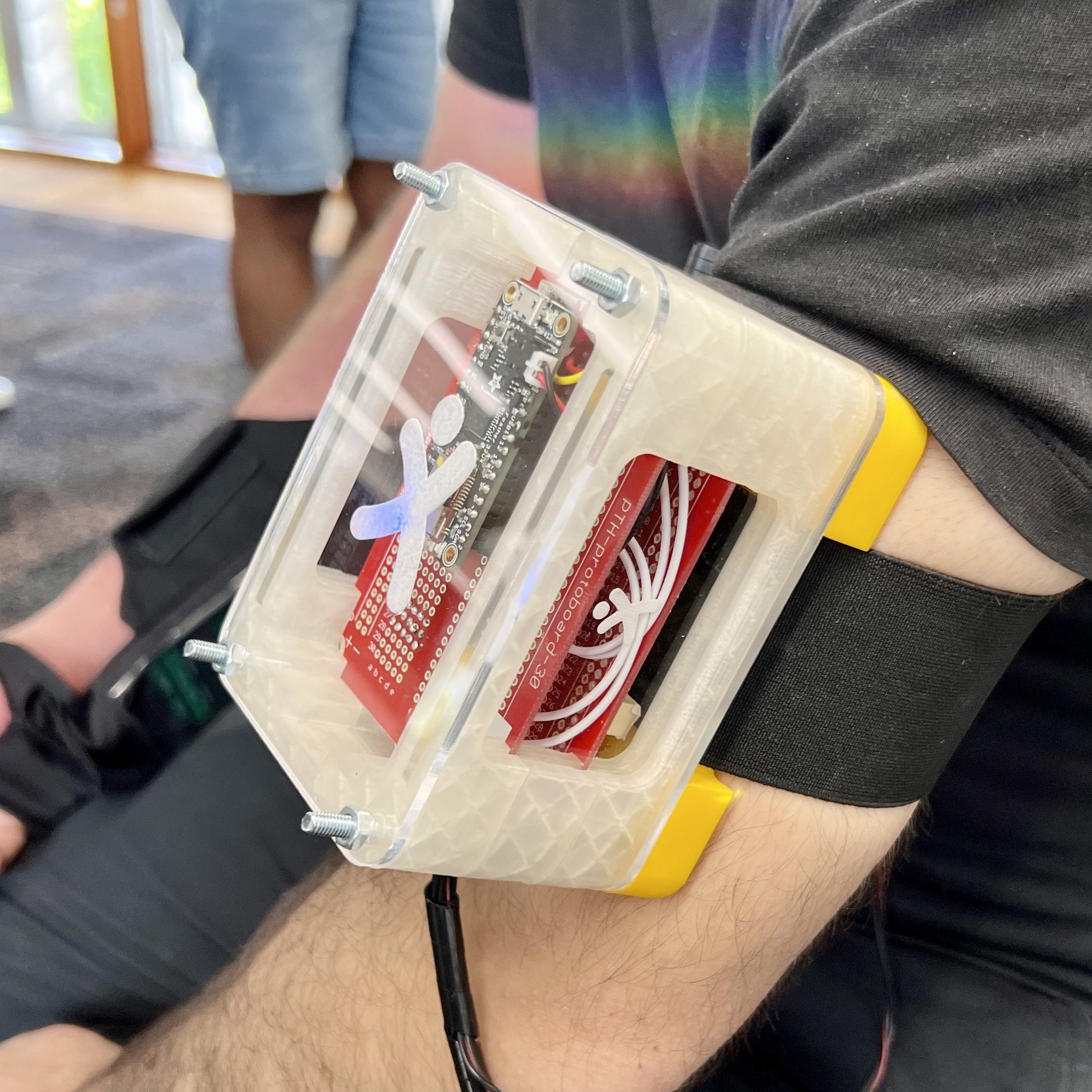
Wearable EMS Actuation System for Interactive Gameplay
Developed a wearable system integrating electrical muscle stimulation (EMS) to actuate involuntary hand movement for interactive gameplay.
Wearable device design · Rapid prototyping · Electrical muscle stimulation (EMS) · Stress testing
Designed and fabricated a wearable enclosure to securely house EMS electronics and microcontroller systems under dynamic loading conditions. Developed programmable control integration with a TGA-approved EMS device and delivered functional prototypes for user testing.
Work published at CHI PLAY Doctoral Consortium 2022, presented at research events, and replicated by the University of Colorado Boulder.
MONASH UNIVERSITY – HUMAN-CENTRED COMPUTING (HCC) DEPT.
DEC 2021 – FEB 2022
United States National Institutes of Health:
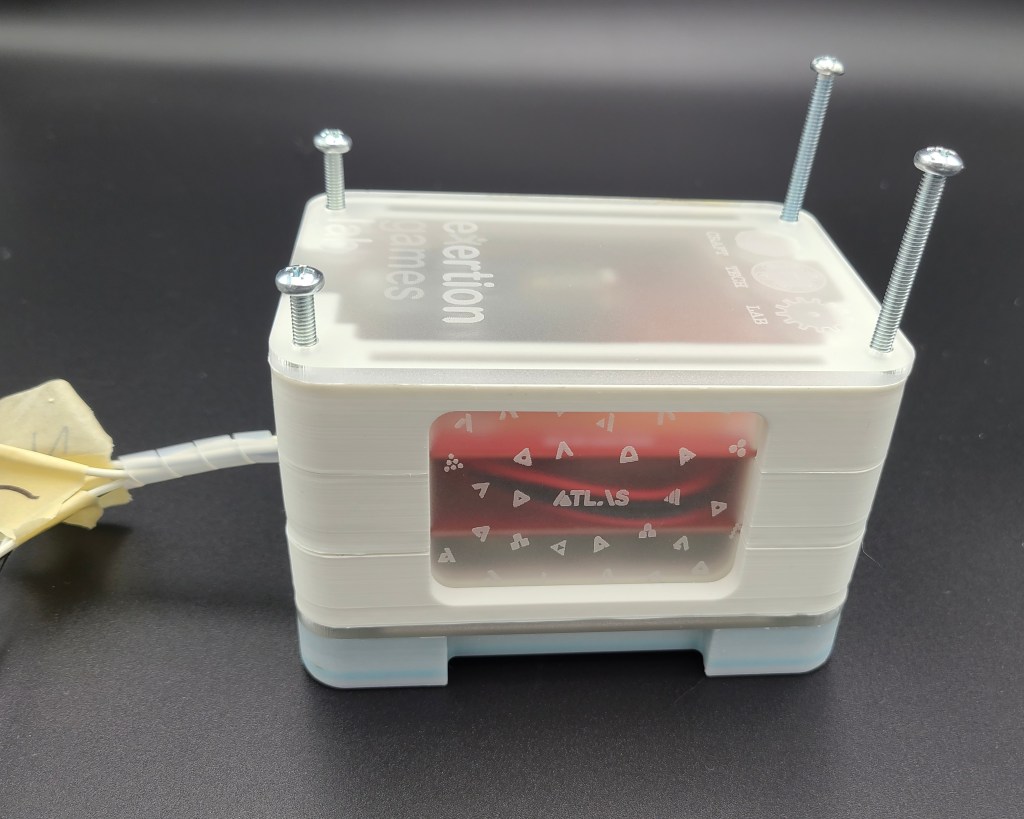
Infant Wearable Sensor System
Contributed to paediatric brain development research at Monash University, in collaboration with the University of South Carolina as part of the United States National Institutes of Health (NIH) HEALthy Brain and Child Development (HBCD) Study.
Clinical device design · Compliance (US CPSC) · Design for manufacture · Additive manufacturing
Designed sensor enclosures for infants compliant with US safety standards, informed by region-specific anthropometric data. Delivered 624 units via additive manufacturing and coordinated with external manufacturers to meet production and quality requirements.
MONASH UNIVERSITY – HUMAN-CENTRED COMPUTING (HCC) DEPT.
JUN 2021 – JUL 2021
Edible Supercapacitor System for Human–Food Interaction
Developed an edible supercapacitor system enabling controlled electrical discharge during ingestion to investigate new human–food interaction modalities.
Experimental design · Rapid prototyping · Embedded systems · Electronics · Human factors engineering
Researched and applied principles of edible supercapacitors and low-current stimulation to design and test functional prototypes. Developed control software to demonstrate system behaviour and worked remotely to iterate on designs and validation.
Work presented to HCI researchers at Monash University.
MONASH UNIVERSITY – HUMAN-CENTRED COMPUTING (HCC) DEPT.
NOV 2020 – FEB 2021
Logic Bonbon:
Fluidic Computation in Edible Systems
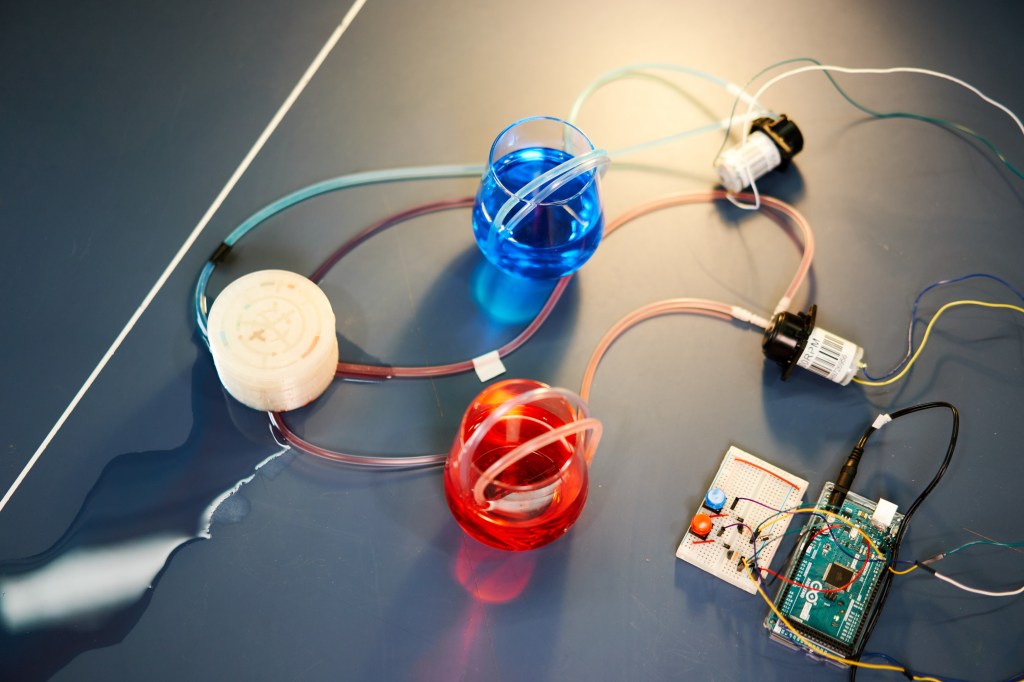
Invented and developed a novel fluidic system integrating logic-based control within edible materials, exploring food as a programmable medium.
Experimental design · Rapid prototyping · CAD · Fluid dynamics · Food-grade fabrication
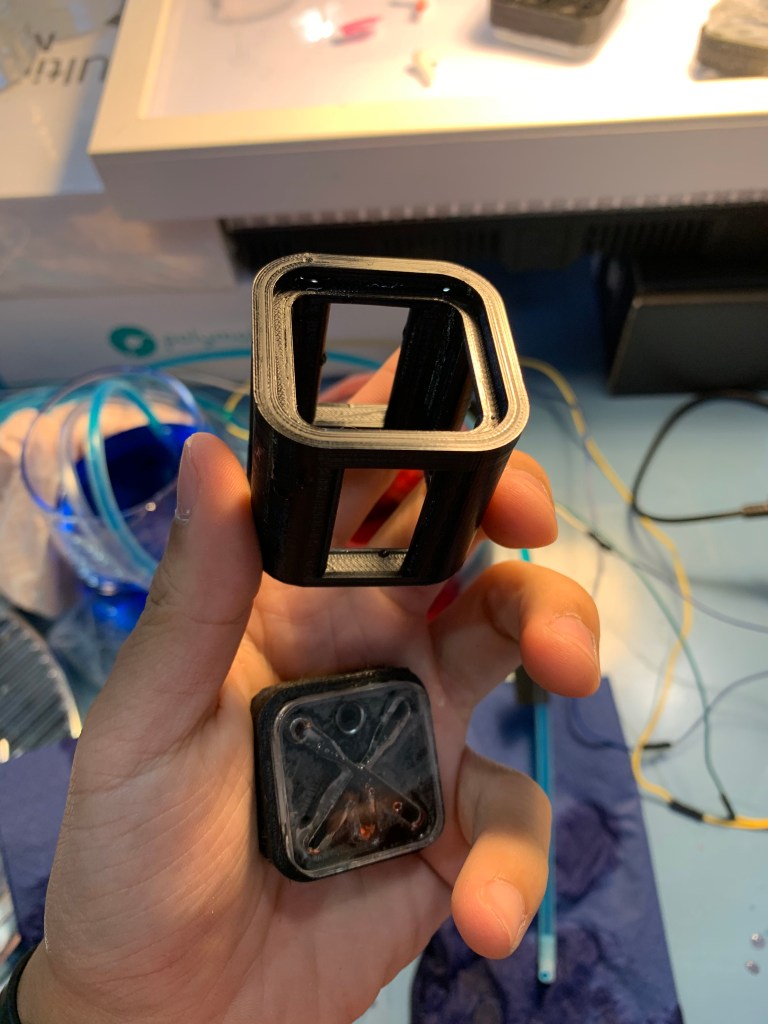
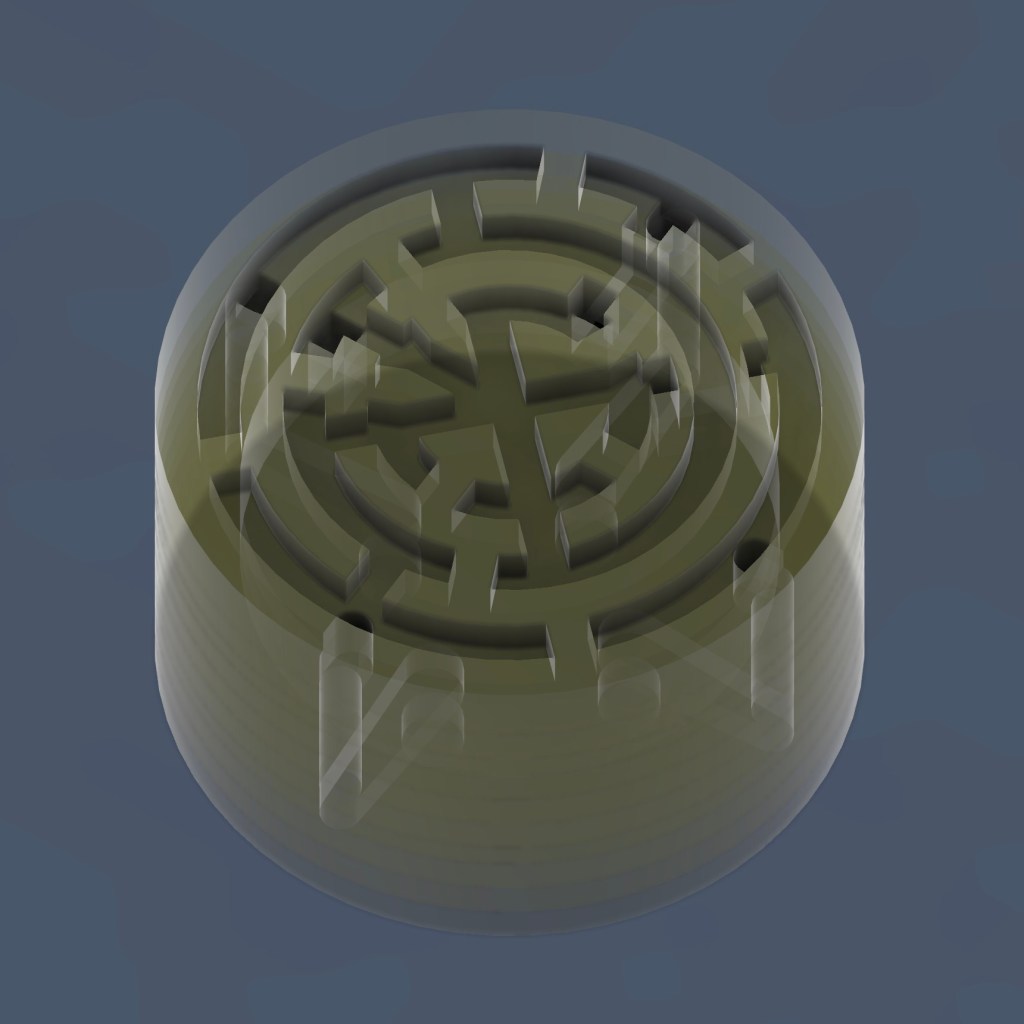
Designed and implemented fluidic logic gates to control flavour delivery via hydrodynamic behaviour. Led end-to-end development from concept to manufacturable prototypes, including mould design, fabrication processes, and iterative testing.
Work published at CHI PLAY 2022 and Dagstuhl Seminar 2022, also presented at international conferences and research events.n Day and other events and conferences.
Tools
Mechanical
SolidWorks
Autodesk Fusion
Autodesk AutoCAD
Siemens Solid Edge
Electronics
KiCad
LTspice
Altium Designer
Fabrication
FDM, SLA, MJF
Laser cutting
Engineering
MATLAB
Simulink
Programming
C/C++
Python
Structured Text (ST)
Documentation
LaTeX


 Ryan Wee